If you’ve ever written a list of rules and paused over “donts” or “don’ts,” you’re not alone. This tiny punctuation detail confuses many writers because it involves both plurals and apostrophes two areas where English can feel tricky.
Understanding donts or don’ts is important for clear, polished writing. Whether you’re creating a blog post, workplace guidelines, or study notes, using the correct form helps you look professional and ensures your message is easy to understand.
Quick Answer: Donts or Don’ts
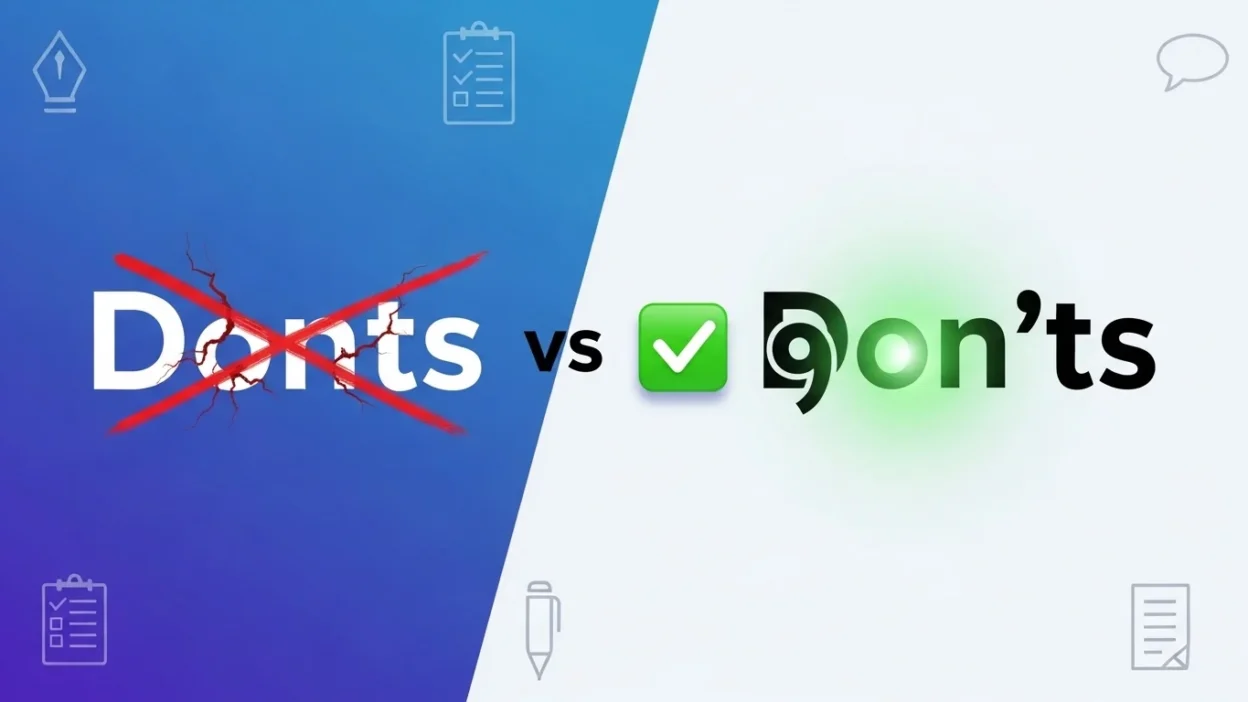
- ❌ Donts = Incorrect spelling
- ✅ Don’ts = Correct spelling
👉 Always use “don’ts” when referring to multiple things you should not do.
What Does “Don’ts” Mean?
“Don’ts” is the plural form of “don’t,” which itself is a contraction of “do not.”
So, “don’ts” simply means:
- Multiple actions you should avoid
- A list of rules or things not to do
Examples of “Don’ts” in Sentences
- Here are some important don’ts for job interviews.
- The guide explains the dos and don’ts of social media.
- Follow these don’ts to stay safe online.
- Teachers often share classroom don’ts with students.
It’s commonly paired with “dos” in phrases like “dos and don’ts.”
Why Is “Don’ts” Correct?
The word follows a simple grammatical rule:
👉 When making the plural of a contraction, you add -s to the full form, including the apostrophe.
- Don’t → Don’ts ✅
- Can’t → Can’ts (less common but correct)
The apostrophe remains because it represents the missing letter in “do not.”
What Is “Donts”?
“Donts” is a misspelling. It removes the apostrophe, which changes the structure and makes the word grammatically incorrect.
Why Do People Write “Donts”?
Common reasons include:
- Forgetting the apostrophe
- Thinking plurals don’t need punctuation
- Typing quickly without proofreading
However, dropping the apostrophe in this case is not correct.
Donts or Don’ts: Key Differences
| Feature | Don’ts | Donts |
|---|---|---|
| Correct spelling | ✅ Yes | ❌ No |
| Meaning | Things you should not do | None (incorrect form) |
| Grammar | Plural of “don’t” | Missing apostrophe |
| Usage | Formal & informal writing | Should be avoided |
| Clarity | Clear and correct | Confusing or unprofessional |
Common Mistakes to Avoid
Confusion around donts or don’ts often comes from misunderstanding apostrophes. Here are key mistakes to watch out for:
1. Removing the Apostrophe
- ❌ Donts
- ✅ Don’ts
The apostrophe is essential because “don’t” is a contraction.
2. Misusing Apostrophes for Plurals
In most cases, apostrophes are not used for plurals:
- ❌ Apple’s (when meaning many apples)
- ✅ Apples
But “don’ts” is an exception because it’s based on a contraction.
3. Writing “Do’s and Don’ts” Incorrectly
You may also see confusion in this phrase:
- ✅ Dos and don’ts (modern, preferred)
- ✅ Do’s and don’ts (also accepted for clarity)
Both are acceptable, but consistency matters.
Dos and Don’ts: A Common Expression
The phrase “dos and don’ts” is widely used to describe guidelines.
Examples
- “Learn the dos and don’ts of public speaking.”
- “Here are the dos and don’ts of healthy eating.”
This phrase is common in:
- Blogs and guides
- Workplace policies
- Educational materials
American vs British English
There is no major difference between American and British English in this case.
- 🇺🇸 American English: Don’ts
- 🇬🇧 British English: Don’ts
However, style preferences may vary slightly:
- American English often prefers “dos and don’ts”
- British English may sometimes use “do’s and don’ts”
Both are correct as long as usage is consistent.
Why Correct Punctuation Matters
Using the correct form—“don’ts”—improves your writing in several ways:
- Enhances clarity and readability
- Shows attention to detail
- Builds credibility and professionalism
- Prevents confusion for readers
Even small punctuation mistakes can affect how your writing is perceived.
Synonyms and Alternative Phrases
To add variety to your writing, you can use alternative expressions:
- Rules to avoid
- Mistakes to avoid
- Things not to do
- Guidelines
- Warnings
Example:
- “Follow these guidelines for success.”
- “Avoid these common mistakes.”
These alternatives can help maintain clarity without repetition.
FAQs About Donts or Don’ts
What is the correct spelling: donts or don’ts?
“Don’ts” is the correct spelling because it is the plural form of “don’t.”
Why does “don’ts” have an apostrophe?
Because it comes from the contraction “don’t,” which includes an apostrophe for “do not.”
Is “donts” ever correct?
No, it is always incorrect in standard English.
What is the plural of “don’t”?
The plural form is “don’ts.”
Should I write “dos and don’ts” or “do’s and don’ts”?
Both are acceptable, but “dos and don’ts” is more commonly used today.
Are there differences in British English?
No major differences, though style preferences may vary slightly.
Can I use “don’ts” in formal writing?
Yes, it is widely accepted in both formal and informal contexts.
How can I remember the correct form?
Remember that “don’t” keeps its apostrophe even in the plural form.
Summary: Donts or Don’ts
The difference between donts or don’ts comes down to proper punctuation. “Don’ts” is the correct form because it is the plural of the contraction “don’t,” which includes an apostrophe. Keeping the apostrophe ensures the word remains grammatically correct and easy to understand.
“Donts,” on the other hand, is a common mistake caused by dropping the apostrophe. While it may seem simpler, it is not accepted in standard English and can make your writing appear less polished.
Using “don’ts” correctly helps you communicate clearly and maintain a professional tone. By paying attention to small details like apostrophes, you can significantly improve the overall quality of your writing.