Spelling mistakes can happen to anyone, especially when two words look nearly identical. One of the most common confusions is villain vs villian. At a quick glance, both may seem right but only one is correct in standard English.
If you want your writing to feel polished, professional, and easy to read, understanding this difference is essential. In this guide, you’ll learn the correct spelling, meaning, usage, examples, and how to avoid this mistake for good.
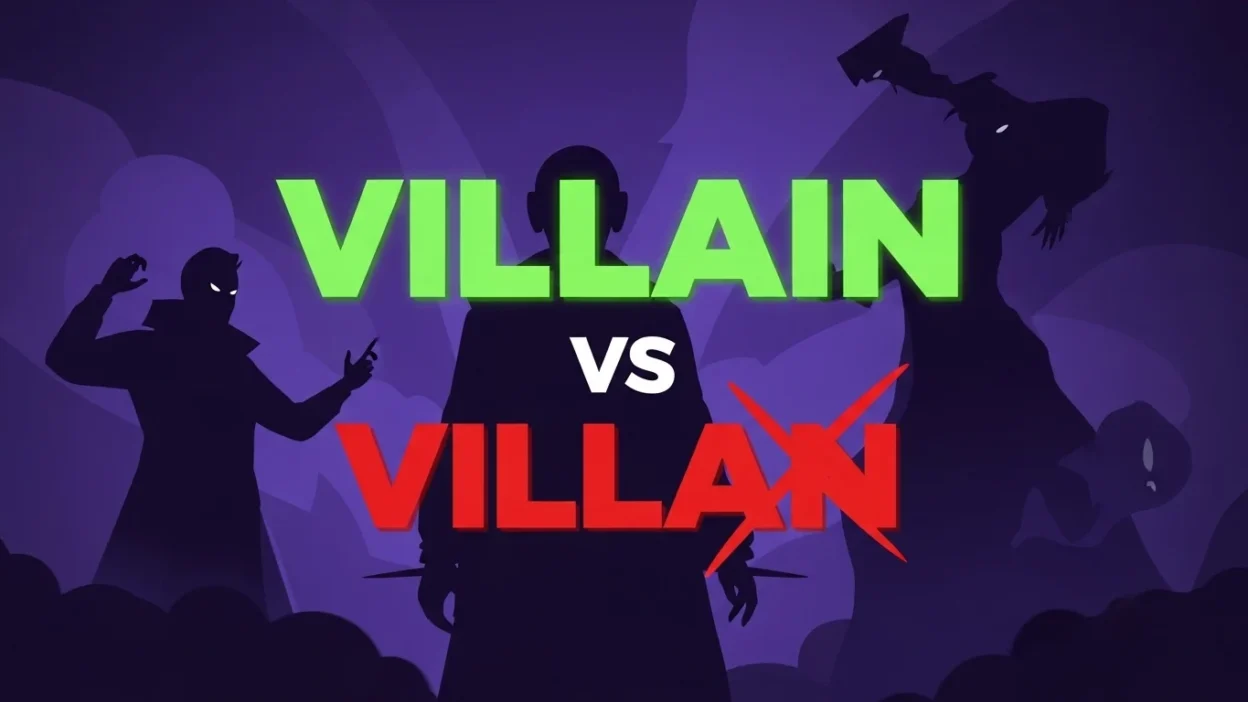
Quick Answer: Villain vs Villian
- ✅ Correct spelling: Villain
- ❌ Incorrect spelling: Villian
The word villain is the correct form and refers to a bad or evil character. Villian is a misspelling and should not be used.
What Does “Villain” Mean?
The word villain is a noun used to describe a character who does harmful, evil, or morally wrong actions—often in stories, movies, or real-life descriptions.
Simple Definitions:
- A bad or evil person
- The antagonist in a story
- Someone who causes harm or trouble
Examples in Sentences:
- The villain in the movie was finally defeated.
- Every great story needs a strong villain.
- He was seen as the villain in the situation.
Why Do People Write “Villian”?
The incorrect spelling villian usually happens due to confusion with letter order.
Common Reasons:
- Reversing “ai” into “ia”
- Typing quickly without checking
- Misremembering the spelling pattern
English has many words where vowel order matters, and even small changes can make a word incorrect.
Understanding the Correct Spelling Pattern
The word villain follows a specific vowel pattern: “ai” before “n.”
Key Insight:
👉 The correct sequence is “ai,” not “ia.”
Similar Words with “ai” Pattern:
- Mountain
- Fountain
- Certain
This pattern helps reinforce the correct spelling.
Villain vs Villian: Comparison Table
| Feature | Villain ✅ | Villian ❌ |
|---|---|---|
| Correct spelling | Yes | No |
| Meaning | Evil or bad character | No meaning |
| Dictionary status | Recognized | Not recognized |
| Usage | Formal & informal | Incorrect |
| Letter order | “ai” correct order | Incorrect “ia” |
Common Mistakes to Avoid
Even a small spelling error can affect how your writing is perceived. Here are the most common mistakes:
1. Reversing the Vowels
❌ The villian escaped at the end.
✅ The villain escaped at the end.
2. Typing Too Quickly
Fast typing often leads to switching letters unintentionally.
3. Relying on Sound Instead of Spelling
Both versions sound similar, so relying only on pronunciation can lead to errors.
4. Not Proofreading
Skipping a final check can allow simple mistakes to slip through.
More Examples of “Villain” in Context
In Stories and Movies:
- The villain plotted to take over the kingdom.
- Audiences love a complex villain.
In Everyday Language:
- He became the villain of the story in public opinion.
- She refused to play the villain in the argument.
In Writing and Literature:
- A well-written villain adds depth to the plot.
American vs British English Differences
There is no difference between American and British English for this word.
- 🇺🇸 American English: villain
- 🇬🇧 British English: villain
The spelling remains the same across both forms of English.
Why Correct Spelling Matters
Using the correct spelling of villain improves both clarity and credibility in your writing.
Key Benefits:
- Builds trust with readers
- Enhances professionalism
- Improves readability
- Supports accurate communication
Even small mistakes like villian can make your writing seem less polished.
Synonyms and Related Words
Expanding your vocabulary can make your writing more engaging.
Synonyms of “Villain”:
- Antagonist
- Criminal
- Opponent
- Wrongdoer
- Enemy
Easy Memory Trick
Here’s a simple way to remember:
👉 “Villain has ‘ai’ like ‘pain’—a villain causes pain.”
This connection makes the correct spelling easier to recall.
FAQs About Villain vs Villian
Is “villian” ever correct?
No, villian is always incorrect and should not be used.
What is the correct spelling?
The correct spelling is villain.
What does “villain” mean?
It refers to a bad or evil character, often in stories or real-life situations.
Why do people confuse these spellings?
Because the vowel order “ai” and “ia” can be easily mixed up.
Is there a difference in British English?
No, both American and British English use villain.
How can I remember the correct spelling?
Use the memory trick: “villain causes pain.”
Is “villain” always negative?
Yes, it generally refers to someone with harmful or negative actions.
Can spell-check tools catch this mistake?
Yes, most tools will flag villian as incorrect.
Summary: Villain vs Villian
The difference between villain vs villian is simple but important. Villain is the correct spelling and refers to a bad or harmful character, while villian is a common misspelling caused by incorrect vowel order.
By understanding the correct pattern and practicing it, you can avoid this mistake and improve your writing clarity. Small spelling details like this can make a big difference in how your work is perceived.
Final Thoughts
Choosing the correct spelling may seem minor, but it plays a key role in effective communication. By consistently using villain and avoiding villian, you ensure your writing is accurate, professional, and easy to understand.