Spelling mistakes can quietly affect how your writing is perceived, especially when the difference is just one letter. A common confusion many people face is presense vs presence. At a glance, both may look acceptable but only one is correct.
If you want your writing to feel polished, professional, and easy to understand, mastering this small detail makes a big difference. In this guide, you’ll learn the correct spelling, meaning, examples, and practical tips to avoid this mistake in the future.
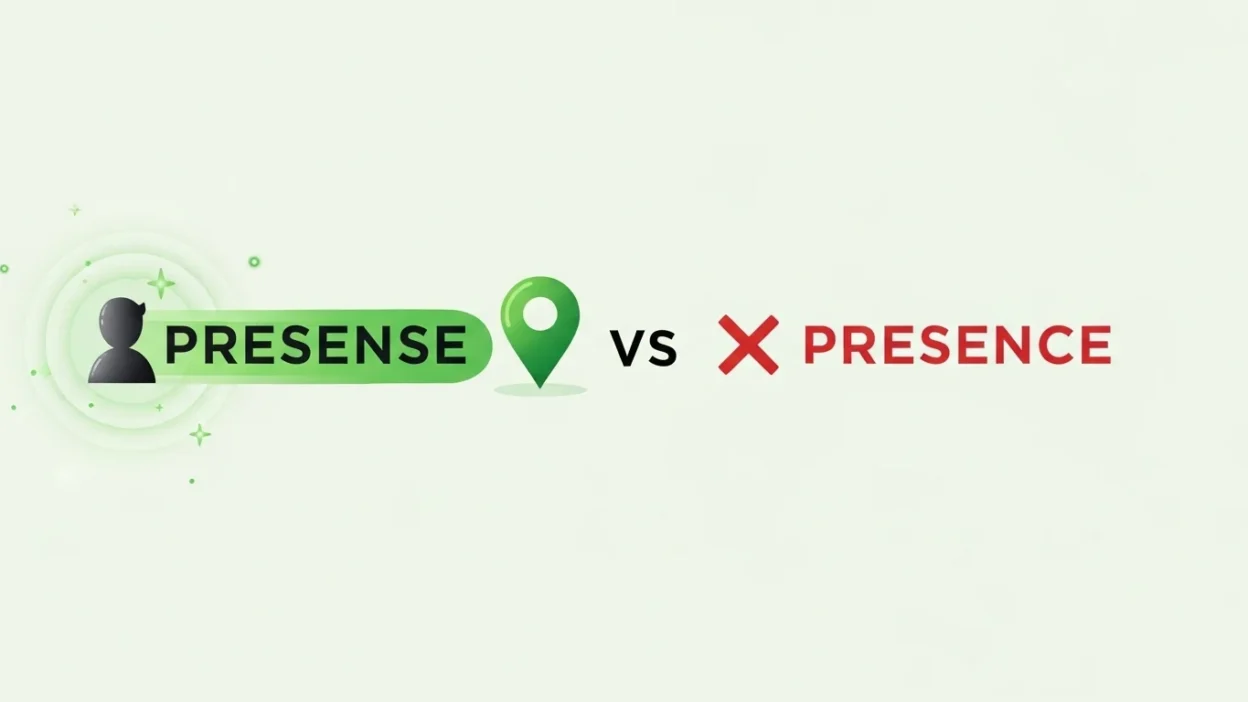
Quick Answer: Presense vs Presence
- ✅ Correct spelling: Presence
- ❌ Incorrect spelling: Presense
The word presence is the correct form and refers to the state of being present or existing in a place. Presense is a misspelling and should not be used.
What Does “Presence” Mean?
The word presence is a noun that describes the state of being somewhere or the quality of someone’s impact or aura.
Simple Definitions:
- The state of being present in a place
- A person’s physical or emotional influence
- The existence of something in a particular area
Examples in Sentences:
- Her presence made everyone feel comfortable.
- The teacher’s presence in the classroom improved discipline.
- There is a strong online presence for this brand.
Why Do People Write “Presense”?
The incorrect spelling presense often comes from confusion between similar-sounding endings like “-ence” and “-ense.”
Common Reasons:
- Pronunciation similarity (both sound alike)
- Confusion with words like “sense”
- Lack of familiarity with spelling patterns
Similar Word Confusions:
- Difference (not differense)
- Silence (not silense)
- Confidence (not confidense)
These examples show that many nouns use “-ence,” not “-ense.”
Understanding the Correct Spelling Pattern
The word presence follows a common English pattern where nouns end in “-ence.”
Key Insight:
👉 Words derived from Latin often use the “-ence” ending.
The word presence comes from Latin praesentia, meaning “being present.”
This explains why:
- Presence ✅
- Presense ❌
Presense vs Presence: Comparison Table
| Feature | Presence ✅ | Presense ❌ |
|---|---|---|
| Correct spelling | Yes | No |
| Meaning | State of being present | No valid meaning |
| Dictionary status | Recognized | Not recognized |
| Usage | Formal & informal | Incorrect |
| Word ending | “-ence” pattern | Incorrect “-ense” |
Common Mistakes to Avoid
Even experienced writers sometimes make this mistake. Here’s how to avoid it:
1. Using “-ENSE” Instead of “-ENCE”
❌ His presense was comforting.
✅ His presence was comforting.
2. Confusing with “Sense”
The word “sense” is correct in its own context, but it doesn’t apply here.
3. Relying Only on Sound
Since both spellings sound similar, pronunciation alone isn’t reliable.
4. Skipping Proofreading
Quick writing often leads to small but noticeable errors.
More Examples of “Presence” in Context
In Everyday Life:
- Her calm presence helped ease the tension.
- His presence was missed at the event.
In Professional Context:
- A strong online presence is essential for businesses.
- Leadership presence builds trust and confidence.
In Emotional or Social Context:
- The child felt safe in her mother’s presence.
American vs British English Differences
There is no difference between American and British English for this word.
- 🇺🇸 American English: presence
- 🇬🇧 British English: presence
The spelling remains consistent in both forms of English.
Why Correct Spelling Matters
Using the correct spelling of presence improves your writing quality and credibility.
Key Benefits:
- Enhances clarity and readability
- Builds trust with readers
- Improves professional communication
- Supports SEO and keyword accuracy
Even a small error like presense can make your content look less polished.
Synonyms and Related Words
Using related terms can improve both readability and SEO.
Synonyms of “Presence”:
- Existence
- Appearance
- Aura
- Influence
- Attendance
Related Keywords (LSI):
- presence meaning
- correct spelling presence
- presence vs presense difference
- spelling mistakes in English
- -ence vs -ense words
Easy Memory Trick
Here’s a simple way to remember:
👉 “Presence has ‘ence’ like ‘existence’—both relate to being.”
This connection helps reinforce the correct spelling.
FAQs About Presense vs Presence
1. Is “presense” ever correct?
No, presense is always incorrect in standard English.
2. What does “presence” mean?
It refers to the state of being present or having an influence.
3. Why is “presence” spelled with “-ence”?
Because it follows a Latin-based noun pattern.
4. How can I remember the correct spelling?
Use the trick: “presence = existence.”
5. Is there a difference in British English?
No, both American and British English use presence.
6. Why do people confuse this word?
Because “-ence” and “-ense” sound similar.
7. Can spell-check tools catch this error?
Yes, most tools will flag presense as incorrect.
8. How can I improve my spelling skills?
Practice common patterns and proofread regularly.
Summary: Presense vs Presence
The difference between presense vs presence is simple but important. Presence is the correct spelling and refers to being present or having influence, while presense is a common misspelling caused by confusion between similar endings.
Understanding the “ence” pattern and practicing similar words can help you avoid this mistake. Using the correct spelling ensures your writing is clear, professional, and effective.